





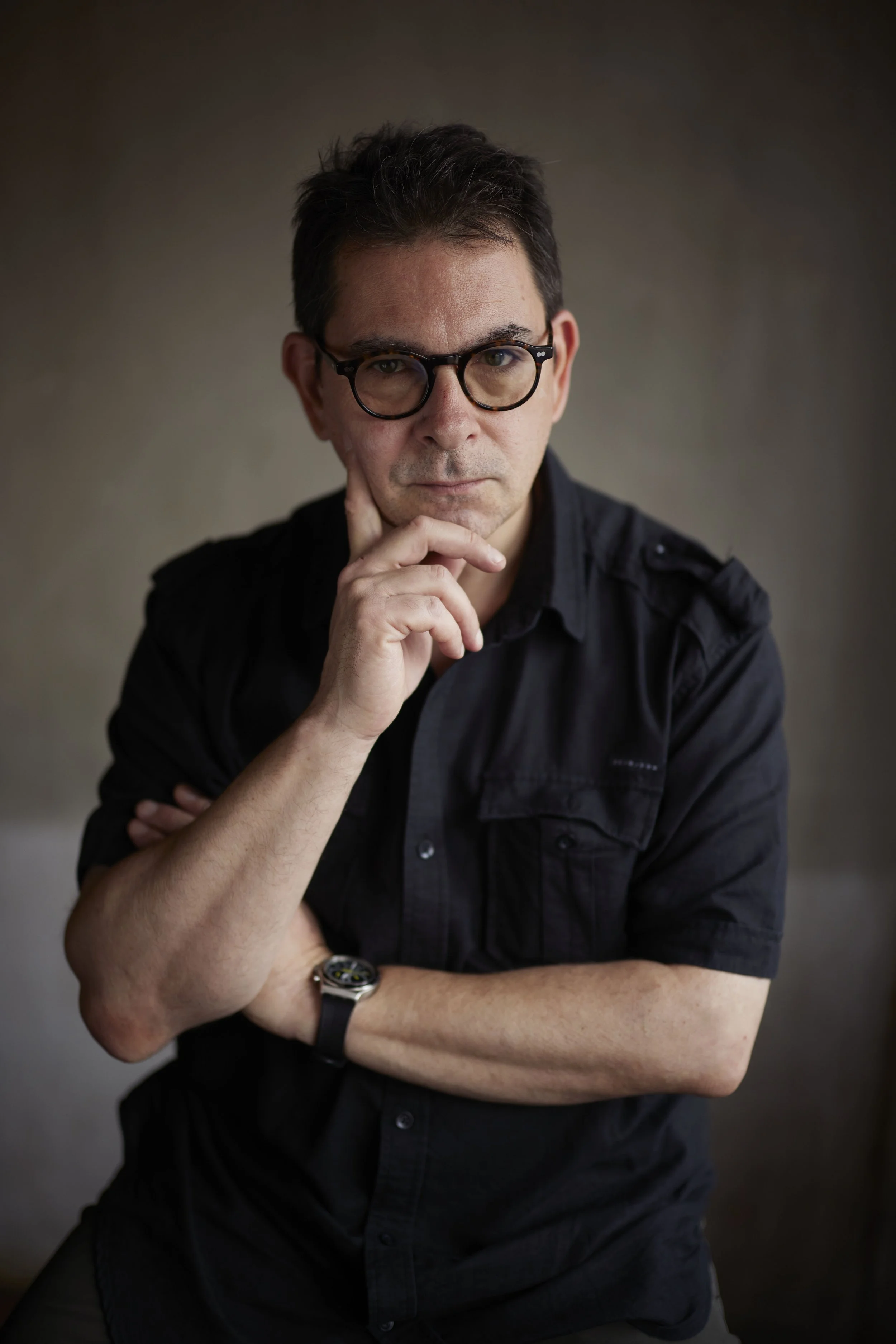
43,357 Charoen Krung Road
Lors d’un séjour d’un mois en janvier 2024 à Bangkok, j’ai passé la majeure partie de mon temps dans le quartier de Charoen Krung, une zone historique qui est devenue l’un des principaux pôles créatifs de la ville, avec des galeries, des studios et des cafés attirant une communauté croissante d’artistes et de designers. J’ai eu la chance d’y être basé grâce à un ami proche qui a ouvert le Café Balzac, un café culturel et librairie française sur Charoen Krung Road, qui est rapidement devenu le point d’ancrage de ma routine quotidienne.
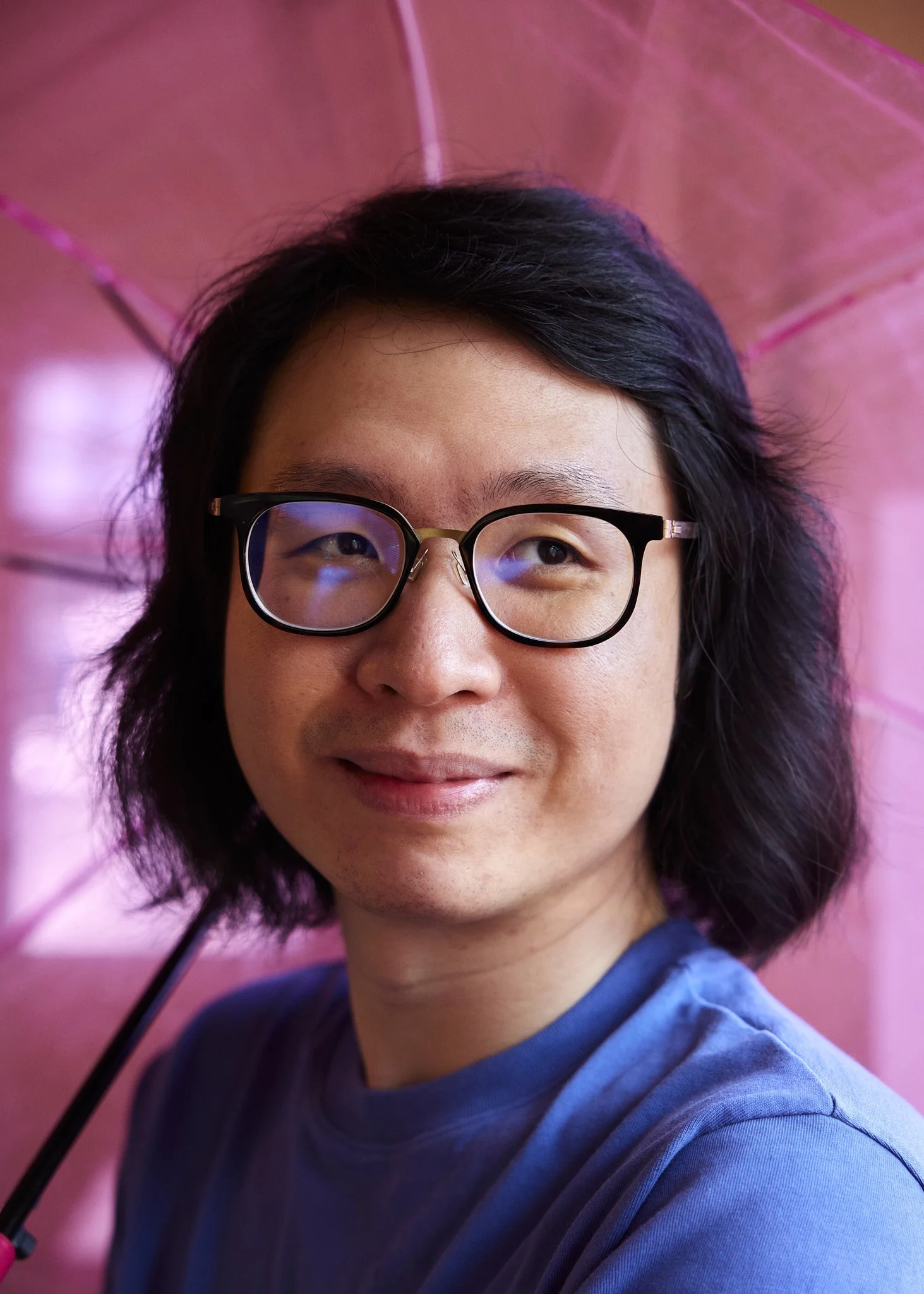
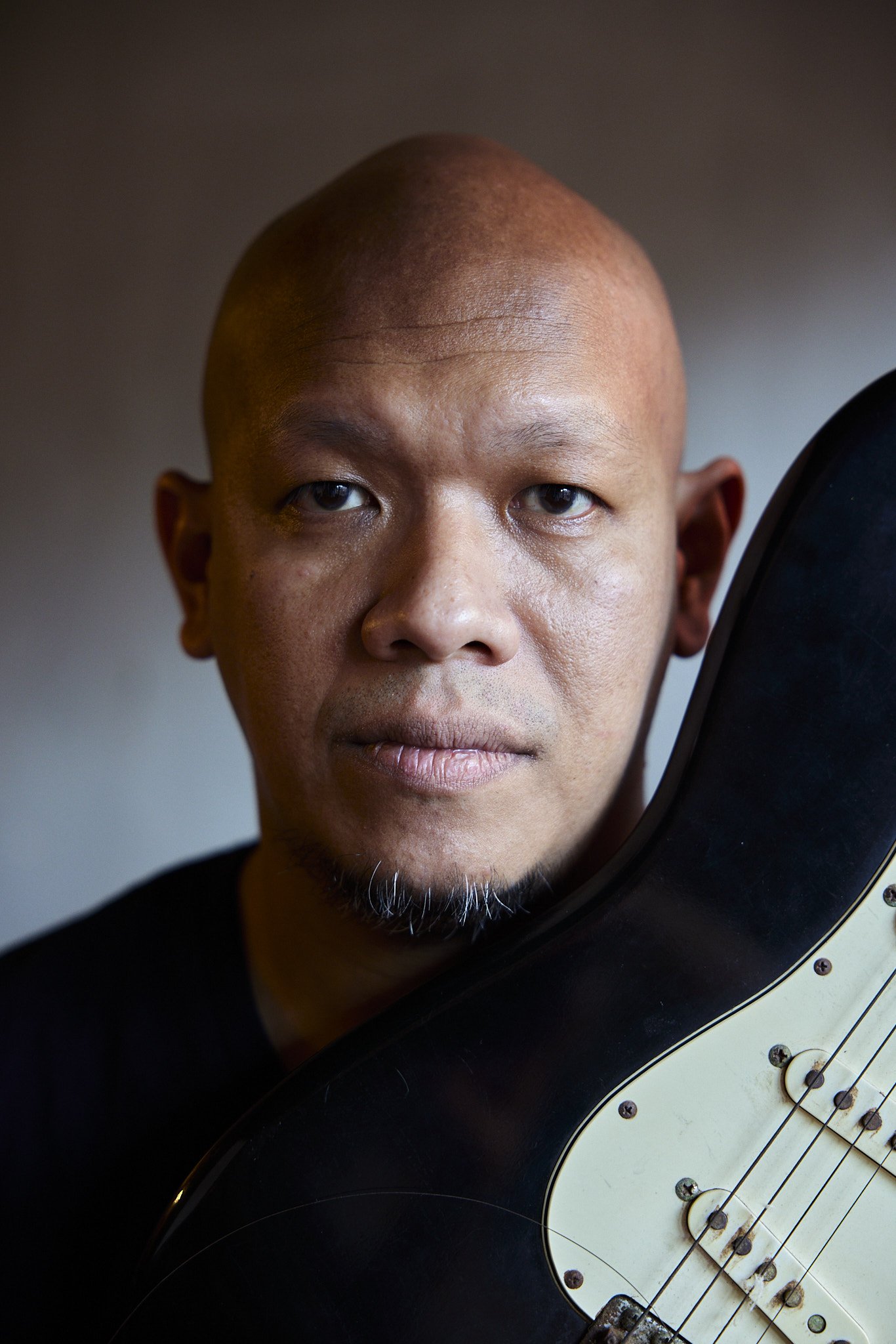
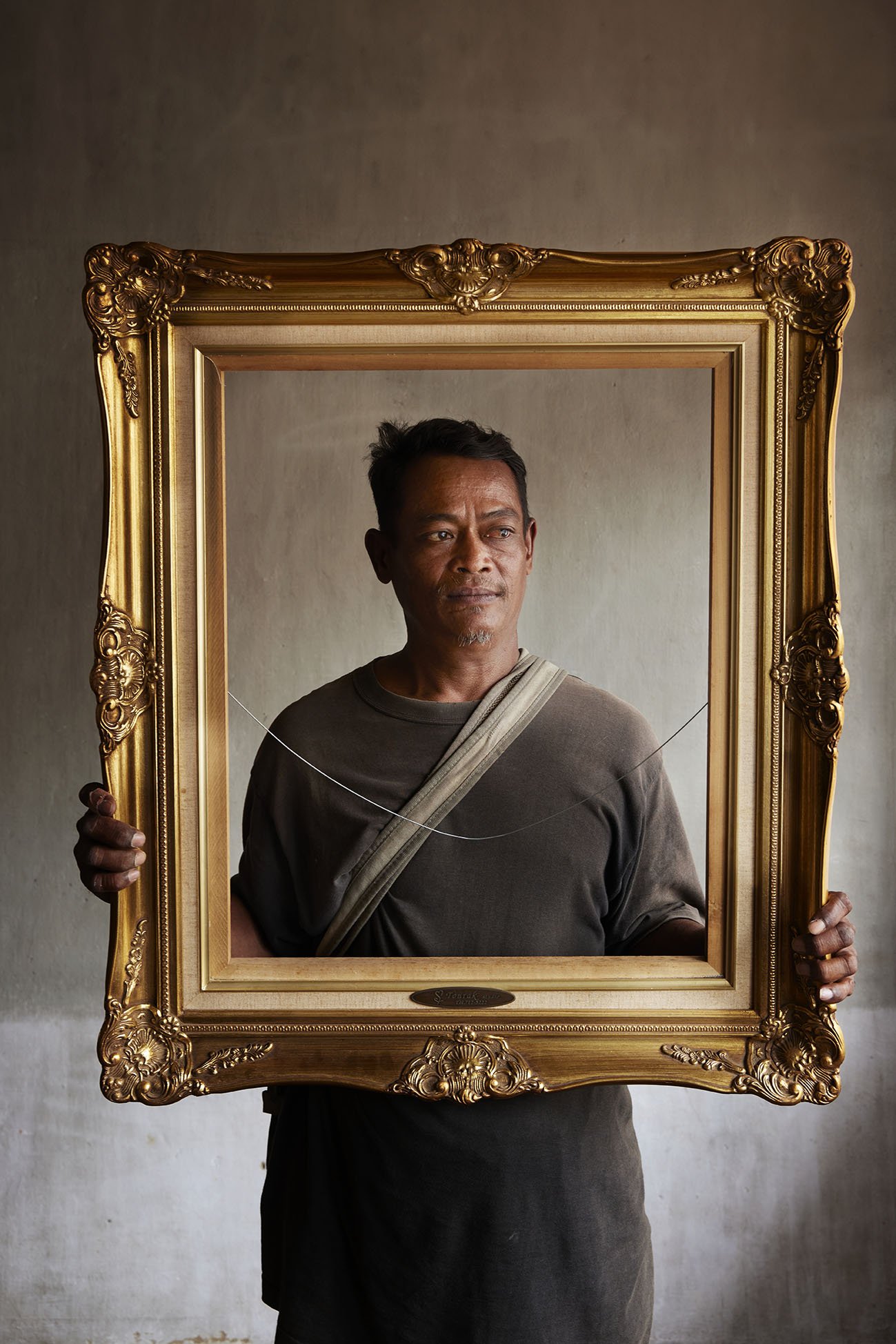
De mon hôtel jusqu’au Balzac, je parcourais le même trajet chaque matin, croisant les mêmes visages, devantures et coins de rue. Avec le soutien du Fotoclub Bangkok, un espace de studio local situé au 43 Charoen Krung, j’ai organisé une série de séances de portrait dans leur studio au rez-de-chaussée et invité des personnes que je croisais régulièrement lors de mes promenades à venir poser pour une photographie. Le projet, intitulé 43,357 Charoen Krung Road, se concentre sur le banal : la répétition tranquille du quotidien, les petits rituels de la routine et la familiarité qui naît de voir les mêmes personnes jour après jour.
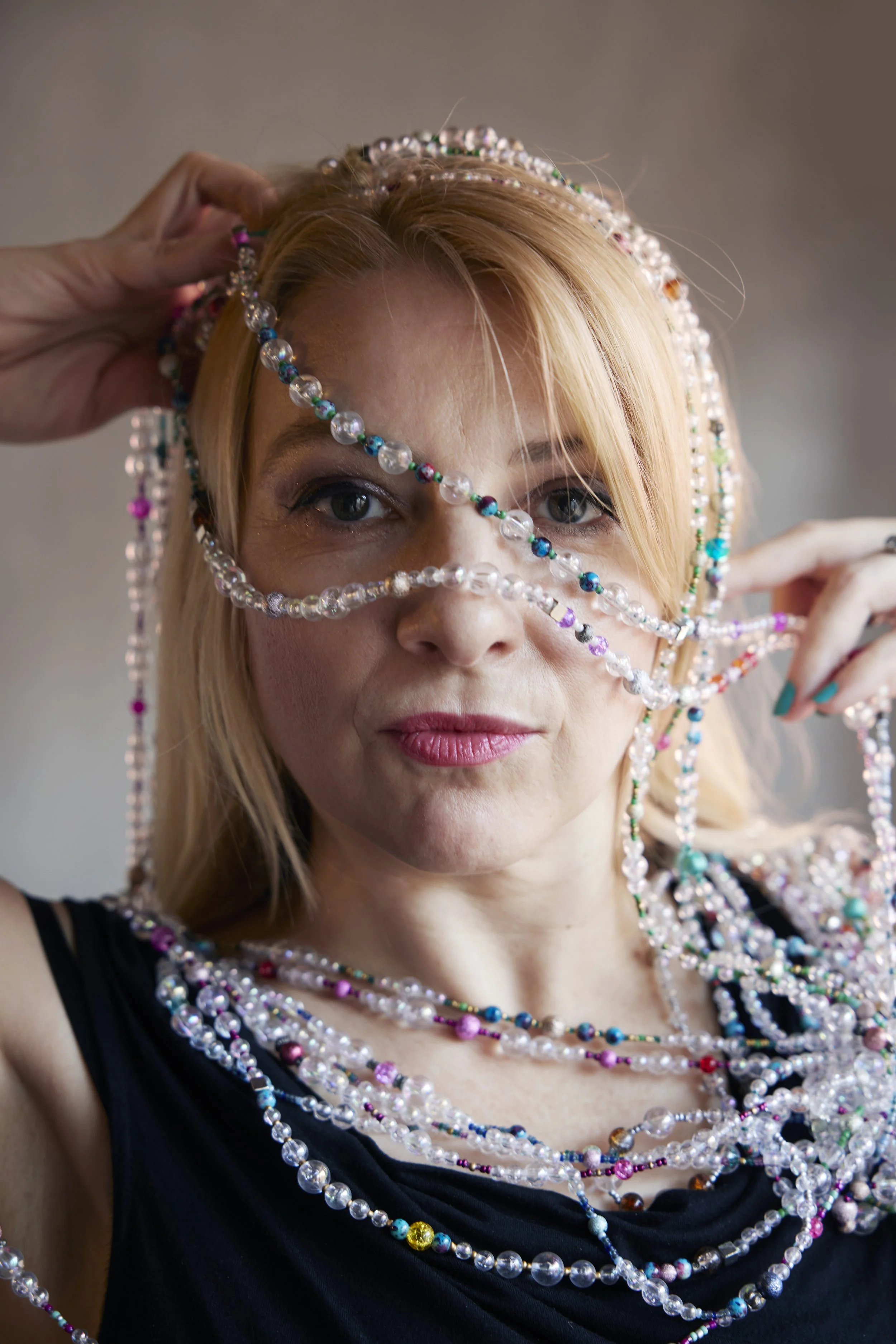
Issu de la photographie de mode, mon regard se porte naturellement sur les détails vestimentaires — textures, plis, reflets et ombres — et sur la manière dont les vêtements structurent le corps et signalent l’identité. Dans cette série, les accessoires et le stylisme deviennent des outils permettant aux personnes photographiées de jouer avec leur manière de se présenter, estompant la frontière entre qui elles sont dans la vie quotidienne et qui elles peuvent devenir devant l’appareil photo. Le studio se transforme ainsi en scène temporaire où des rencontres ordinaires deviennent des moments de collaboration.
Au cœur de ce travail se trouve le portrait comme forme d’intimité. Chaque image naît d’une conversation et d’un bref échange de confiance. En amenant des personnes de la rue dans le studio sur la même route, le projet tisse ensemble le flux public de Charoen Krung et l’espace privé du portrait, conservant une mémoire partagée et temporellement délimitée d’un lieu très spécifique dans le paysage créatif en évolution de Bangkok.
43,357 Charoen Krung Road
During a month-long stay in January 2024 in Bangkok, most of my time was spent in the Charoen Krung neighborhood, a historic area that has become one of the city’s main creative hubs, with galleries, studios, and cafés attracting a growing community of artists and designers. I was fortunate to be based there thanks to a close friend who opened Café Balzac, a French cultural café and bookshop on Charoenkrung Road, which quickly became the anchor of my daily routine.
From my hotel to Balzac, I walked the same route every morning, passing the same faces, shopfronts, and street corners. With the support of Fotoclub Bangkok, a local studio space on Charoen Krung 43, I organized a series of portrait sessions in their street-level studio and invited people I regularly met on these walks to sit for a photograph. The project, titled 43,357 Charoen Krung Road, focuses on the banal: the quiet repetition of everyday life, the small rituals of routine, and the familiarity that grows from seeing the same people day after day.
Coming from a background in fashion photography, my attention naturally goes to clothing details—textures, folds, sparkles, and shadows—and how garments shape the body and signal identity. In this series, accessories and styling become tools for the sitters to play with how they present themselves, blurring the line between who they are in daily life and who they can become in front of the camera. The studio thus becomes a temporary stage where ordinary encounters turn into moments of collaboration.
At the heart of this work is portraiture as a form of intimacy. Each image grows out of a conversation and a brief exchange of trust. By bringing people from the street into the studio on the same road, the project weaves together the public flow of Charoen Krung with the private space of the portrait, preserving a shared, time-bound memory of a very specific place in Bangkok’s evolving creative landscape.